

Key takeaways
- Intergenerational workforces are now more visible than ever, and organisations that value different strengths – experience, judgment and fresh perspectives – can improve execution, innovation and resilience.
- Collaboration is strengthened when companies create structured spaces for cross-generational dialogue – employee networks, mentoring and reverse mentoring – enabling faster learning, better decision-making and stronger collective performance.
- Inclusion requires moving beyond stereotypes with clear communication norms, inclusive leadership and Learning & Development.
- Equal access to digital upskilling and professional development at every stage of one’s career, helps bridge generational gaps.
Today’s workforce now brings together up to five generations, each shaped by different social, technological, and economic influences. A study by the World Economic Forum, AARP and OECD highlights the significant benefits of investing in intergenerational workforces: such investment could increase GDP per capita by nearly 19% over a thirty-year period, underscoring the long-term value of diverse teams. This demographic reality is transforming how organisations think about careers, multigenerational collaboration and workplace inclusion. With intergenerational workforces bringing together a broad spectrum of experiences, expectations and skill sets, drawing on this generational diversity can be a powerful lever for performance.
Louise Fitzgerald-Lombard, CIB & ALMT Chief Human Resources Officer, explains: “Diverse teams perform better overall because they combine complementary strengths – experience that improves judgment and risk awareness, and new perspectives that accelerate innovation and a diversity of thought that broadens decision-making. When these differences are acknowledged and valued, they become a powerful driver for collective performance and organisational success. The result is stronger execution and more resilient performance over time.”
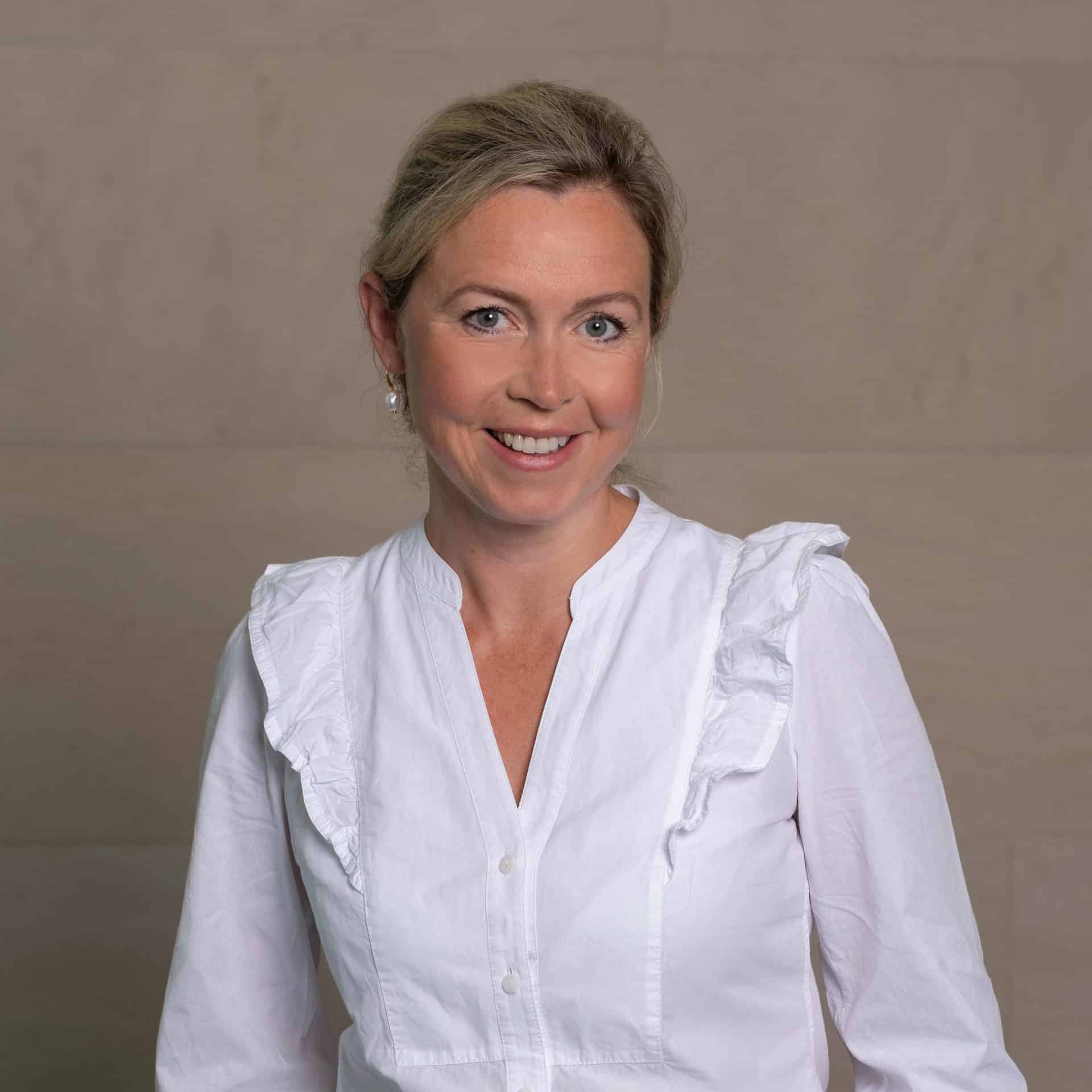
❝ When differences across diverse teams are acknowledged and valued, they become a powerful driver for collective performance and organisational success. ❞
Building inclusive and diverse teams for collective performance
According to Harvard Business Review, fostering inclusive teams requires a shift in mindset and practice. This means moving beyond stereotypes, fostering mutual respect through clear communication norms, mentoring and other activities to bridge generational gaps and create a cohesive and engaging workplace.
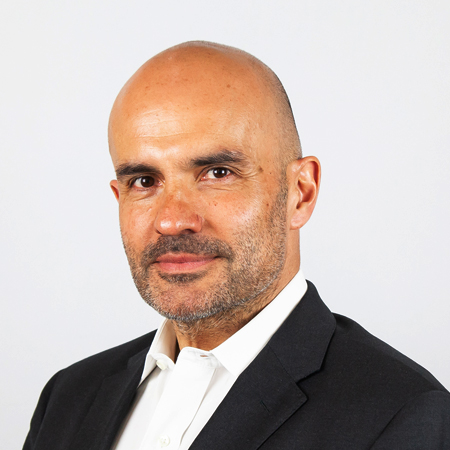
❝ As teams collaborate and teammates exchange views and share intelligence in a fluid manner, we all gain in breadth and depth of knowledge and relevance. Ideas are developed, initiatives move faster, lessons learnt are leveraged upon and do not get lost. And we all make more informed decisions as we draw on a wider range of experience. ❞
In practice, this means recognising employees as individuals, beyond age‑based labels, encouraging inclusive leadership and Learning & Development initiatives, valuing diverse perspectives, and creating the right conditions for transmission of knowledge between peers.
Encouraging dialogue across an intergenerational workplace
BNP Paribas takes a structured approach to addressing diversity by focusing on five pillars, including ageism and intergenerational relations. To strengthen collaboration across career stages and encourage the exchange of perspectives the Bank supports initiatives such as WeGenerations, an employee network that brings together colleagues from all age groups and encourages two-way learning – from mentoring and reverse mentoring to networking, conferences, knowledge-sharing sessions and more. The employee resource group aims to ensure that experience, skills and perspectives are shared across generations, reinforcing both inclusion and collective performance, fostering open dialogue, and promoting understanding of diverse career paths.
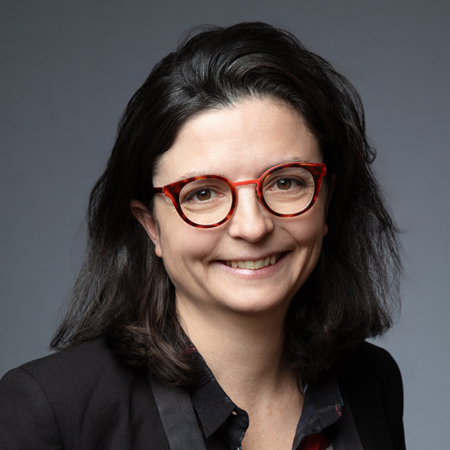
❝ We often talk about knowledge sharing. What international networks like WeGenerations really create is perspective sharing. In a fast-changing environment, having learning flow in both directions and across generations is incredibly valuable. ❞
Mentoring to turn experience into shared growth
A key pillar of professional and personal development, mentoring also plays a central role in supporting intergenerational collaboration at BNP Paribas CIB. This global mentoring programme, with 759 mentor-mentee relations currently live, enables employees to navigate career transitions, accelerate learning and better understand the organisation and its culture.
The programme is open to colleagues at all levels and across geographies where both mentors and mentees benefit from one‑to‑one exchanges combining experience with fresh perspectives. This transmission of knowledge between colleagues at different career stages supports two‑way learning, strengthens individual growth and reinforces a collaborative culture, where skills, insights and best practices are shared.
BNP Paribas CIB has supported Sponsors for Educational Opportunity in the United Kingdom since 2021 and later extended this partnership to France. The organisation delivers educational, training, and mentoring support to young people from low socioeconomic and ethnic minority backgrounds. It plays a pivotal role in advancing workplace inclusion and generational diversity and inclusion by partnering with sponsor firms across various industries.
Fostering multigenerational collaboration with technology
Technology is also influencing how organisations can think about career longevity and the balance between experience and physical capability. Research suggests that AI adoption is reshaping traditional retirement patterns by influencing productivity across different stages of working life. Additionally, the introduction of AI-powered wearable technologies in physically demanding industries helps employees reduce strain and prevent injuries, supporting workplace longevity.
This reinforces the need for digital upskilling and equal access to innovation, so that technological progress strengthens the bridge between employee groups. It can also help experienced colleagues stay active for longer while continuing to share knowledge, reinforcing collaboration and two-way learning across generations. Since 2018, BNP Paribas’ Digital Data & Agile Academy and the Tech Academy have supported employees in developing data and AI skills.
Looking ahead
Fostering an intergenerational workforce requires sustained effort and collective employee engagement. By structuring dialogue through employee networks and embedding age diversity into its inclusion strategy, the Bank is reinforcing its ability to combine experience and fresh perspectives – a key factor for innovation, adaptability and long-term performance.