

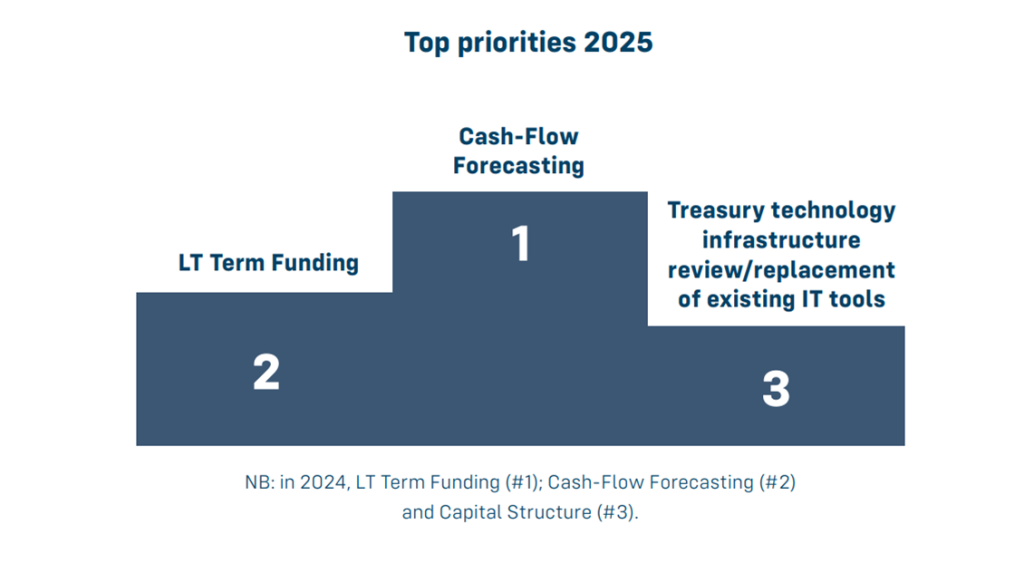
The 2025 European Association of Corporate Treasurers (EACT) Survey, based on some 275 contributions this year, reflects a recalibration of priorities as cash-flow forecasting moves to the fore.
This yearly assessment offers an overview of the priorities, challenges, and technological aspirations of corporate treasurers across Europe, identifying the trends and priorities for the coming 12 to 24 months as they steer their organisations through an evolving landscape.
In a rapidly changing economic environment, the survey reveals that treasurers are again prioritising fundamental financial issues, including cash-flow forecasting, funding, and risk management.

❝ As we look ahead, treasurers are seeking to restore their priorities to focus on the fundamentals. Striking this balance in an ever-changing landscape is vital for long-term resilience for treasury. BNP Paribas continues its active cooperation with the European Association of Corporate Treasurers (EACT), a position that underscores our commitment to fostering best-in-class treasury practices across the continent. ❞
Forecasting takes the spotlight
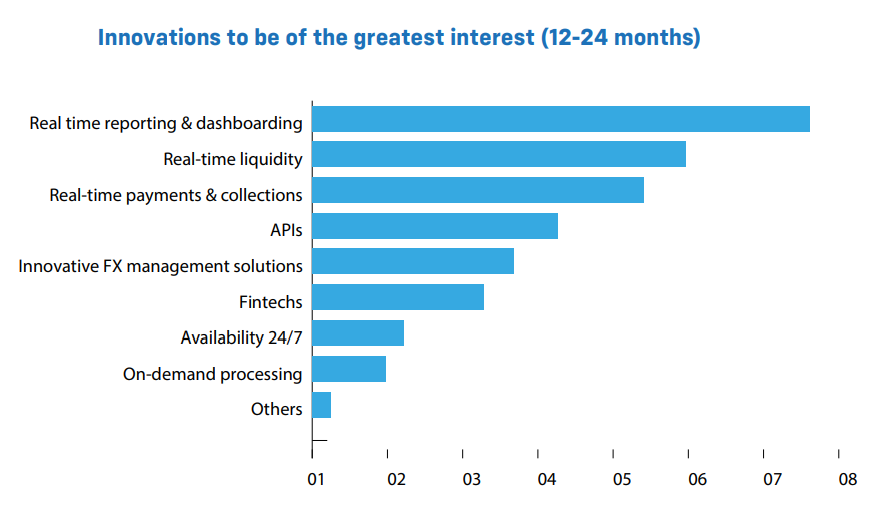
Cash-flow forecasting has emerged as the top priority for treasurers this year, reflecting the need for reliable liquidity management in an era marked by economic volatility and supply chain disruptions. Having moved to second position last year, treasurers are refocusing on the importance of accurate and timely visibility into their future out and in-flows to ensure their organisations can navigate unpredictable cash flows with precision. Supporting this objective, treasurers rank real-time reporting and dashboarding as the top innovation expected to be of greatest interest over the next 12 to 24 months. This quest for immediate information again points to the importance of day-to-day management, with other technological innovations ranked lower in the list.
Back to basics
Long-term funding remains a critical concern for treasurers and ranks second in the list of top priorities this year, closely followed by technology and areas such as capital structure and risk management.
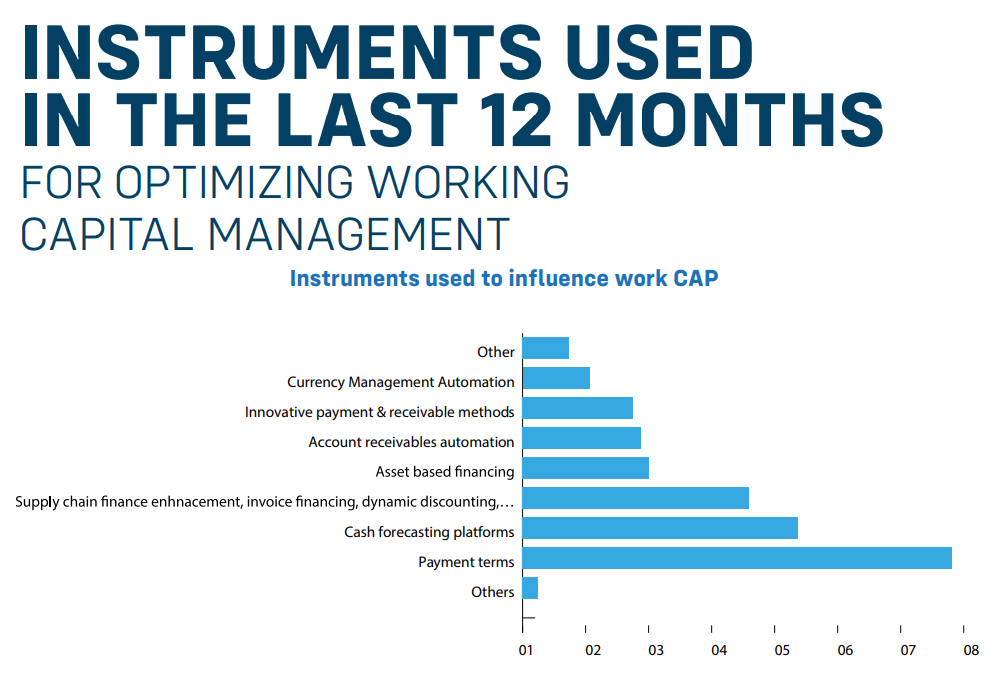
Working capital optimisation moved up as a key area for focus. The survey highlights the complexity of working capital enhancement projects and offers an overview of the instruments that treasurers plan to use over the next 12-24 months, as today’s economic world requires a return to the fundamentals.
Centralising treasury activities also remains a critical concern for treasurers, with 16.1% of respondents citing difficulties in standardising processes and weak internal controls as the main obstacle to further centralisation, similarly to 2024 challenges.
A shifting focus on technology
The survey points to a nuanced shift in priorities, as digital transformation and banking relationships are now overtaken by more immediate financial concerns. Digitisation and treasury infrastructure review rank as two separate categories, indicating that treasurers are embracing digital tools while also assessing their IT architectures to ensure long-term efficiency and scalability.
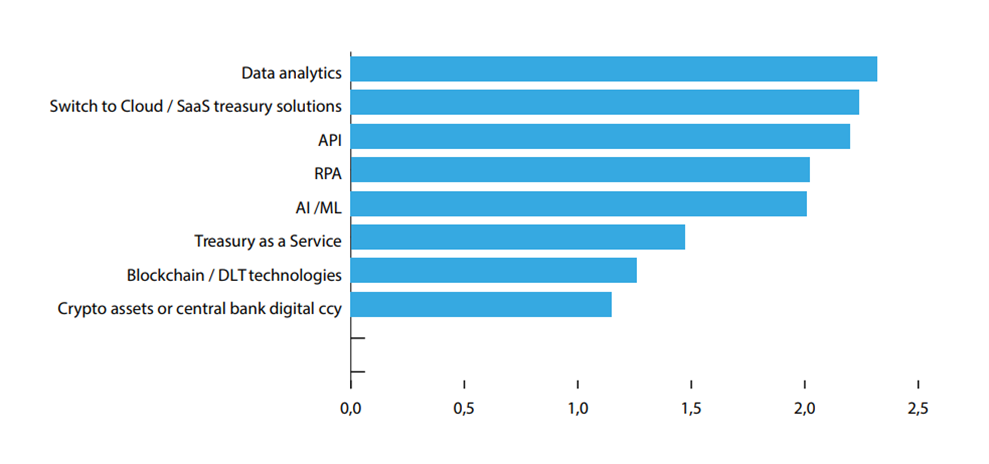
Treasury technology infrastructure replacement and replacement of IT tools ranks third in the list of top priorities in 2025, with the immediate focus on the revision of the Treasury Management Systems (TMS), before considering AI or other cutting-edge digital technologies. Over the next 12-24 months, treasurers are set to prioritise technological innovations such as data analytics and cloud solutions, followed by robotic process automation (RPA) and artificial intelligence (AI) solutions. However, AI is not considered as a priority yet, due to the lack of true data lakes and standardised pieces of information. Treasurers seem to have many other technical priorities before looking to the newest technologies.
Navigating a fast-changing world to take treasury to the next level
The 2025 EACT survey concludes that the main goal for treasurers lies in managing the continuous and simultaneous changes across economic, financial and regulatory landscapes.
It points to the need for taking treasury to the next level as treasurers continue to work towards mastery of new technologies, real-time operations management, and reduction of inherent treasury risks. While banking relationships were no longer among the top three priorities, they continue to be a critical area of focus for treasurers in light of economic uncertainties and evolving regulatory requirements as they balance immediate operational demands with strategic contributions to organisational resilience.

❝ In an increasingly complex and dynamic global environment, characterised by geopolitical instability, economic volatility, escalating cyber threats, and shifting regulatory landscapes, treasurers are now more than ever relying on their specialised skills and expertise. This enables them to navigate and mitigate risks, ensuring their organisations remain agile and resilient in the face of uncertainty. ❞