
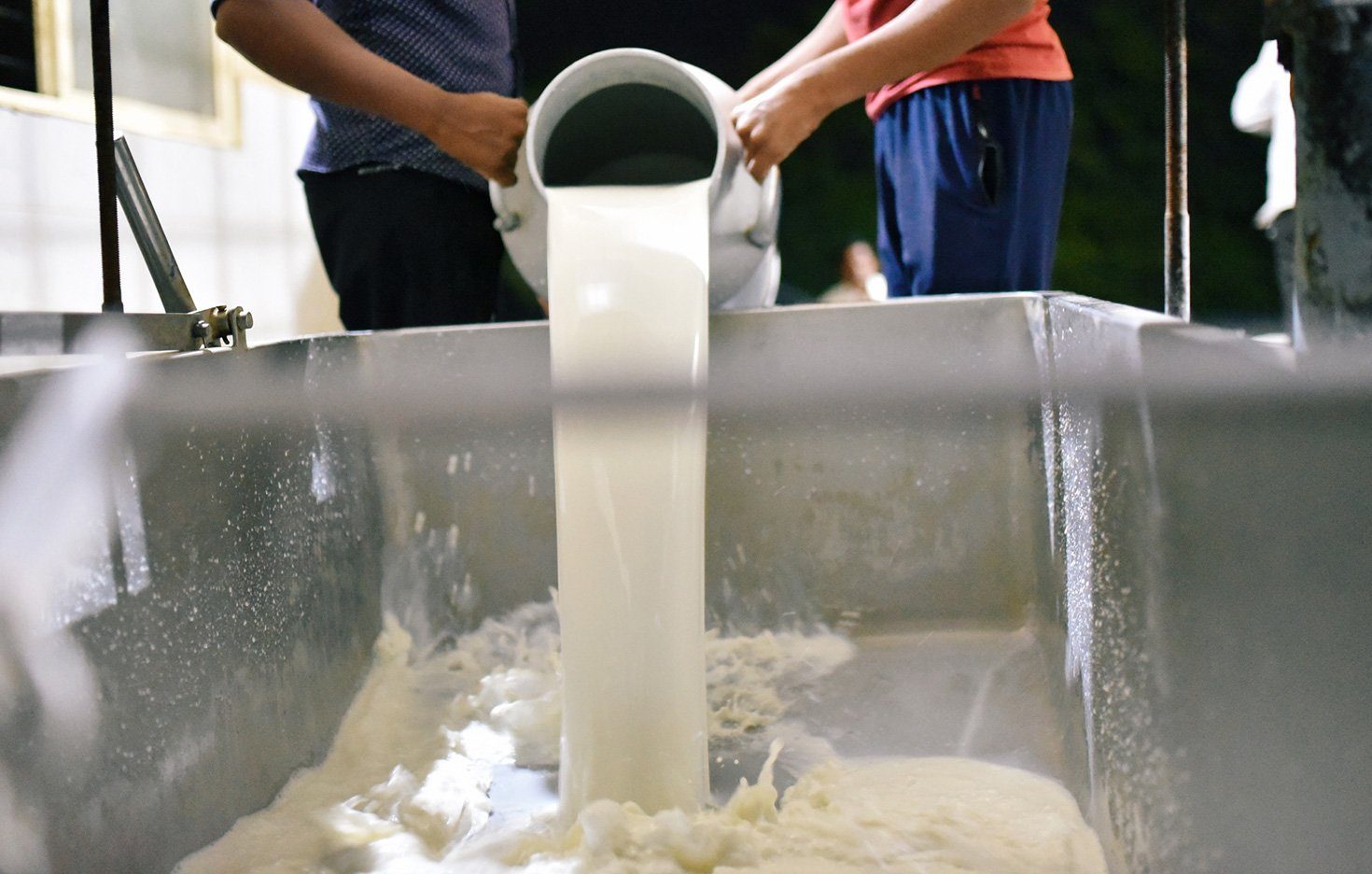
The Covid-19 pandemic has amplified a clear digital divide in business operations for even the most digitally-savvy companies. This was no exception for Amul, India’s largest homegrown dairy giant that connects more than 3.6 million farmers to millions of consumers across the country via its milk distribution business.
Few people realise that something as simple and basic as the consumption of milk actually involves a complex backend cash management process in which farmers across India, collection centers and distributors, all act as cogs of the wheel.
Milk distribution continues to be a cash intensive process in India with almost 80% of payments made in cash, especially in rural areas. The daily payout to the farmers aggregates to $20 million, which translates into an outstanding $7 billion annually. At the same time, distributors pay Amul digitally through electronic transfers or through cheques and drafts.
BNP Paribas partnered with Amul to streamline and provide an effective solution both for physical and electronic collections from its wholesale distributors across metro cities including Mumbai, Kolkata, Pune, Bangalore and Hyderabad, which account for 20% of Amul’s overall daily volumes.
Suggested reading


